%3Aformat(png)&w=750&q=75)
%3Aformat(png)&w=3840&q=75)
%3Aformat(png)&w=3840&q=75)
%3Aformat(png)&w=3840&q=75)
%3Aformat(png)&w=3840&q=75)
%3Aformat(png)&w=3840&q=75)
%3Aformat(png)&w=3840&q=75)
%3Aformat(png)&w=3840&q=75)
%3Aformat(png)&w=3840&q=75)
%3Aformat(png)&w=3840&q=75)
%3Aformat(png)&w=3840&q=75)
%3Aformat(png)&w=3840&q=75)
%3Aformat(png)&w=3840&q=75)
%3Aformat(png)&w=3840&q=75)
%3Aformat(png)&w=3840&q=75)
%3Aformat(png)&w=3840&q=75)
%3Aformat(png)&w=3840&q=75)
%3Aformat(png)&w=3840&q=75)
%3Aformat(png)&w=3840&q=75)
%3Aformat(png)&w=3840&q=75)
Uncovering a Rich History
Alabama’s first major industrialist, Daniel Pratt, made his fortune manufacturing cotton gins in the town that bears his name: Prattville. Originally constructed in 1848 just off the town’s budding Main Street, the Pratt Gin Company was built next to Autauga Creek, which was critical for powering the early industry of the 1800s.
Over the next 150 years, the company became the world's largest manufacturer of cotton gins, and the mill itself grew into a sprawling complex of buildings and machinery. The individual buildings reflected a range of architectural styles spanning more than a century. According to Henninger, “When they added on, they would do something that would reflect the building methods and materials of the day."
Pratt Gin Company remained in operation as the hub of the community until 2009. But after it closed, the complex soon fell into disrepair and was put up for sale in 2011. A local effort to save the historic site gave rise to The Mill, a 147-unit luxury apartment complex designed by Henninger’s firm, Chambless King Architects.
Holding Back the Water
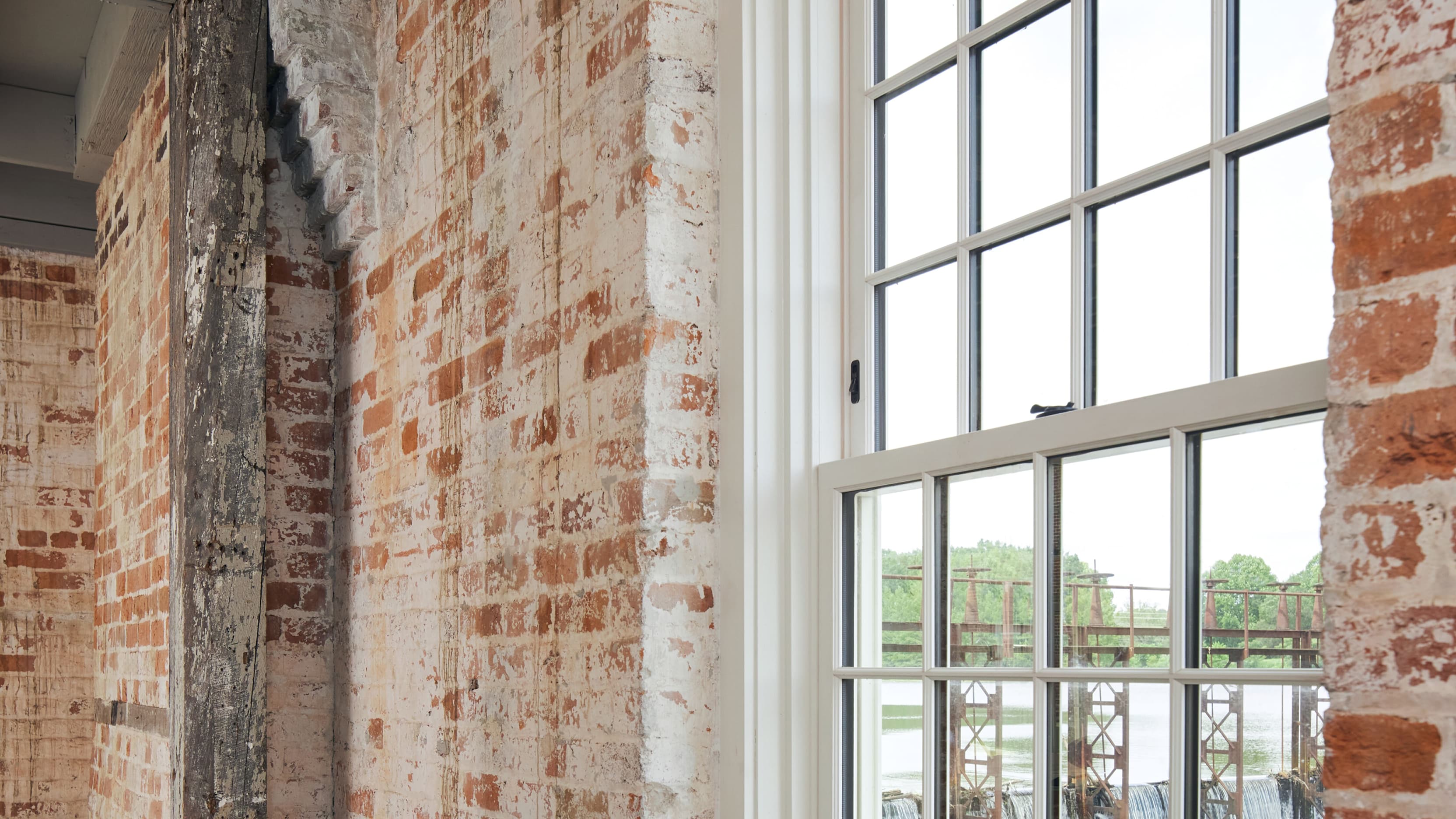
While the new property owners originally planned to remove all the steel girders and roofing from the site, the final design incorporated covered parking and pavilions that made ingenious use of some existing structures. Similarly, the design called for keeping much of the original brickwork in the seven buildings exposed to preserve historic character.
But before Henninger and his team could get to work on the buildings themselves, they had to address a more natural challenge: Autauga Creek. While it was an essential source of power for the original mill, the creek had already caused water damage to the site and posed an ongoing risk of flooding to the planned residential development.
Working with the Alabama Department of Economic and Community Affairs (ADECA), they created a floodplain mitigation plan that included construction of a new levy — a first for Henninger. He smiles when recalling that phase of the project, saying “It's not every day you do a levy,” before adding “I'm not looking for another one.”
Repair, Restore and Replace
The Chambless King team understood that transforming the longtime industrial complex into a modern residential development would be a massive and complicated undertaking. Making the needed updates and modifications to the buildings on the site while preserving their historical integrity as much as possible required close coordination with the Prattville Historic Preservation Commission and the National Park Service.
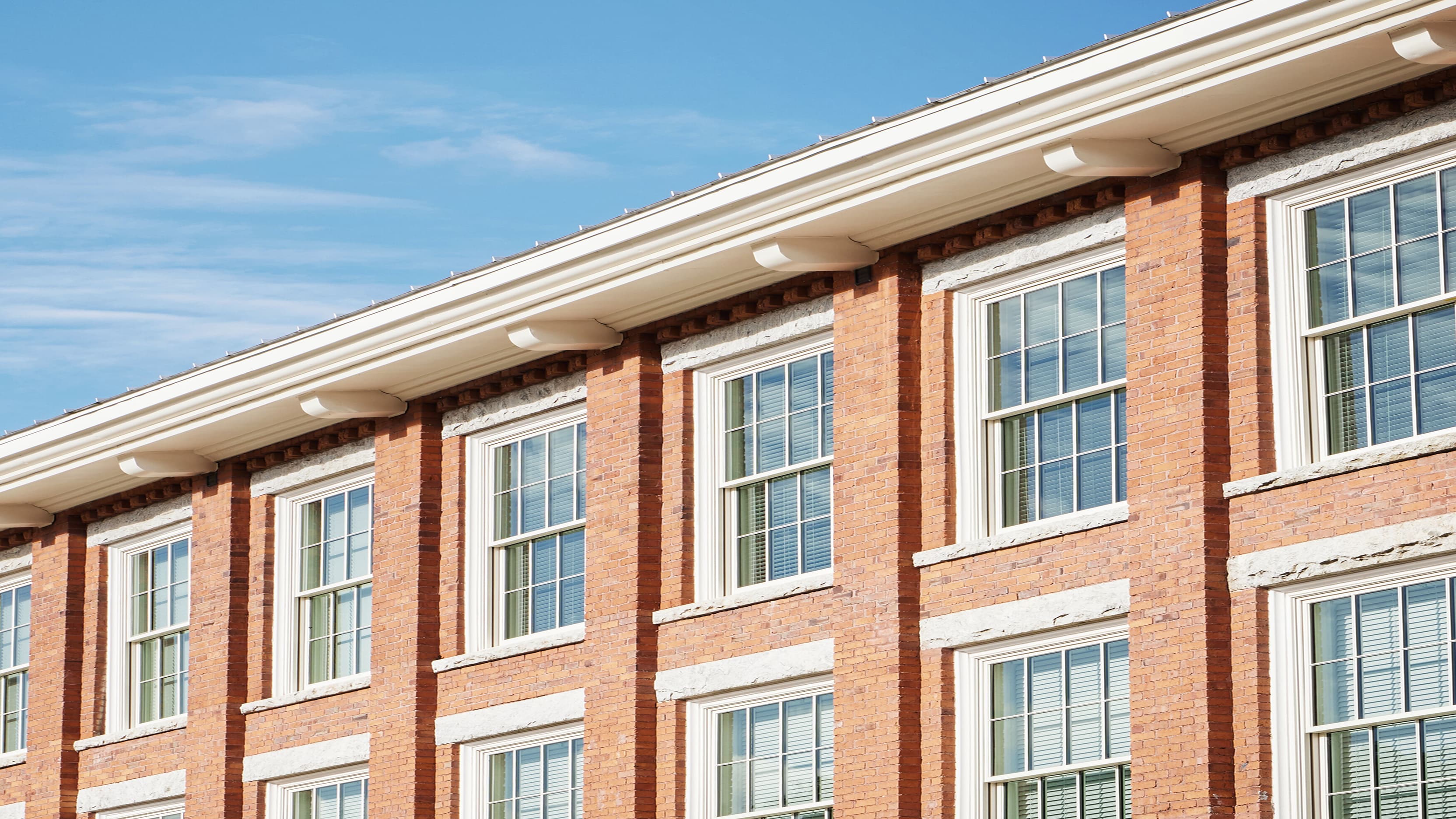
The project involved restoring the facades and roofs of the buildings, as well as the original wood and steel windows, which presented a particular challenge. “We came up with a strategy of replacing or restoring whole facades, elevations that were hard to get to, that would be really hard to maintain the original restored wood windows,“ Henninger says. “Then we could use the pieces from that facade to fill in the pieces that we didn't have on other facades.”
Henninger and his team chose windows and doors from the Marvin Ultimate Collection in a custom color called Coconut Cream to create a warm, lived-in look that complemented the existing structure. “Marvin comes to mind for windows that have to match historic windows, and especially large windows,” he says. The completed project incorporates a mix of repaired, restored, and new windows — including more than 300 Ultimate windows and doors.
A Landmark Reborn, A Community Revitalized
The potential of The Mill project may have been hard to believe in when the buildings that make up the site were hidden under layers of industrial clutter and tin roofing. But the difference that its renaissance has made to the city of Prattville is plain to see today. Prattville’s resurgent Main Street bustles with residents and visitors enjoying shops and restaurants, as more historic buildings have found new life in the 21st century neighborhood unfolding around the former cotton gin factory.
It’s a transformation that’s clear as day on the balance sheet as well. In 2025 alone, Prattville added more than $25 million in new business investments and more than 250 jobs, spurred by renewed interest in the downtown area. Daniel Pratt couldn’t have imagined what the future would bring to the factory and the town he founded, but he would be impressed by both the ingenuity of the renovation and the results it’s produced.
Henninger’s pride in The Mill goes far beyond architectural achievement and historic preservation to the role it’s played in economic growth and revitalization in the surrounding community. “Walking down Main Street today is a lot different than when we first started,” he says. “If those buildings had been demolished, I don't think downtown Prattville would be the same place it is today. It's thriving, but so much part of the character that would have been lost.”